The year 2025 witnesses a discernible increase in the integration of artificial intelligence across various sectors within South Africa, signaling a maturing technological landscape. Reports indicate a growing appetite for AI solutions in pivotal industries such as finance, manufacturing, and healthcare, reflecting a broader trend of digital transformation within the nation.

National AI Strategy
For a period, the absence of a clearly defined national AI strategy meant that digital policy direction was largely shaped by the recommendations of the 2020 Presidential Commission on the Fourth Industrial Revolution (PC4IR). This report served as a foundational document, guiding the initial forays into AI adoption. However, a significant milestone was reached with the release of the National AI Policy Framework in October 2024, marking the first step towards a more formalized national AI policy or even an AI Act. This framework underscores the government’s increasing commitment to strategically leveraging AI for national advancement.
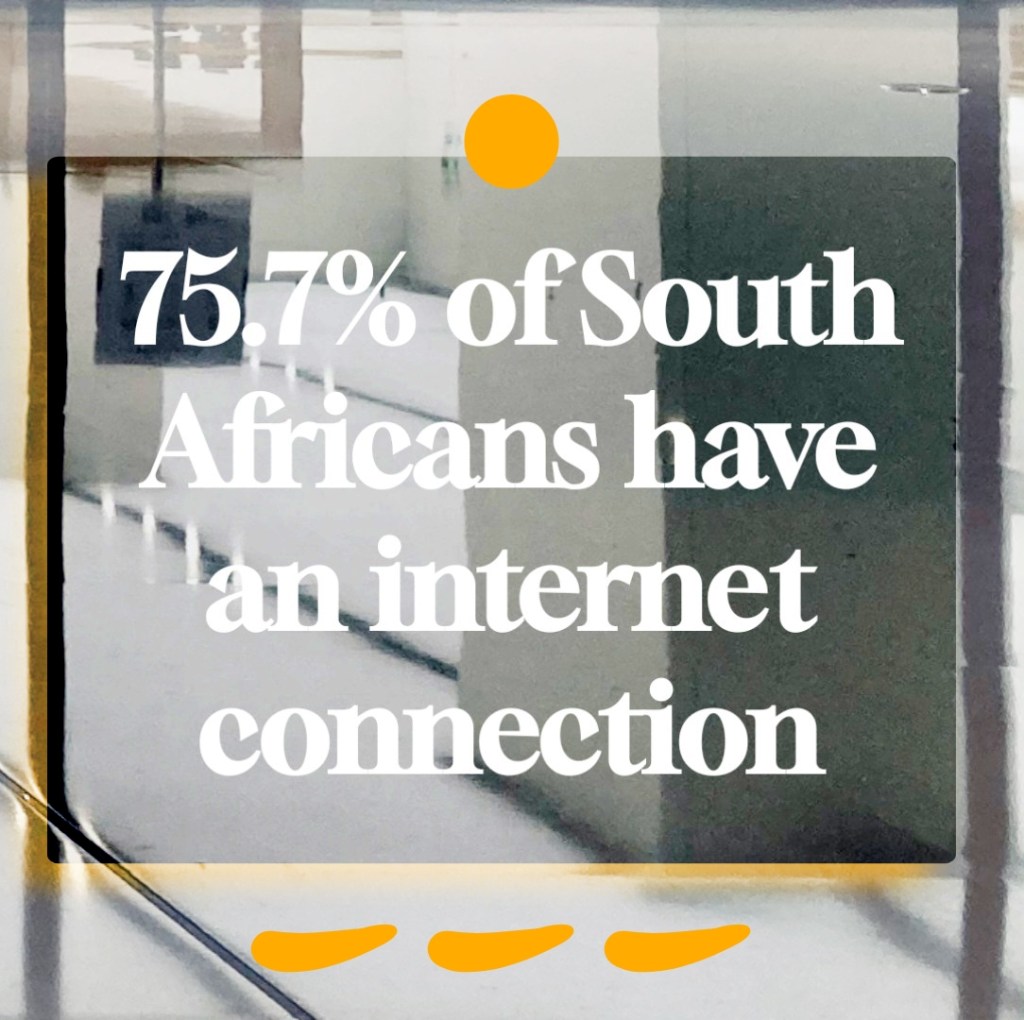
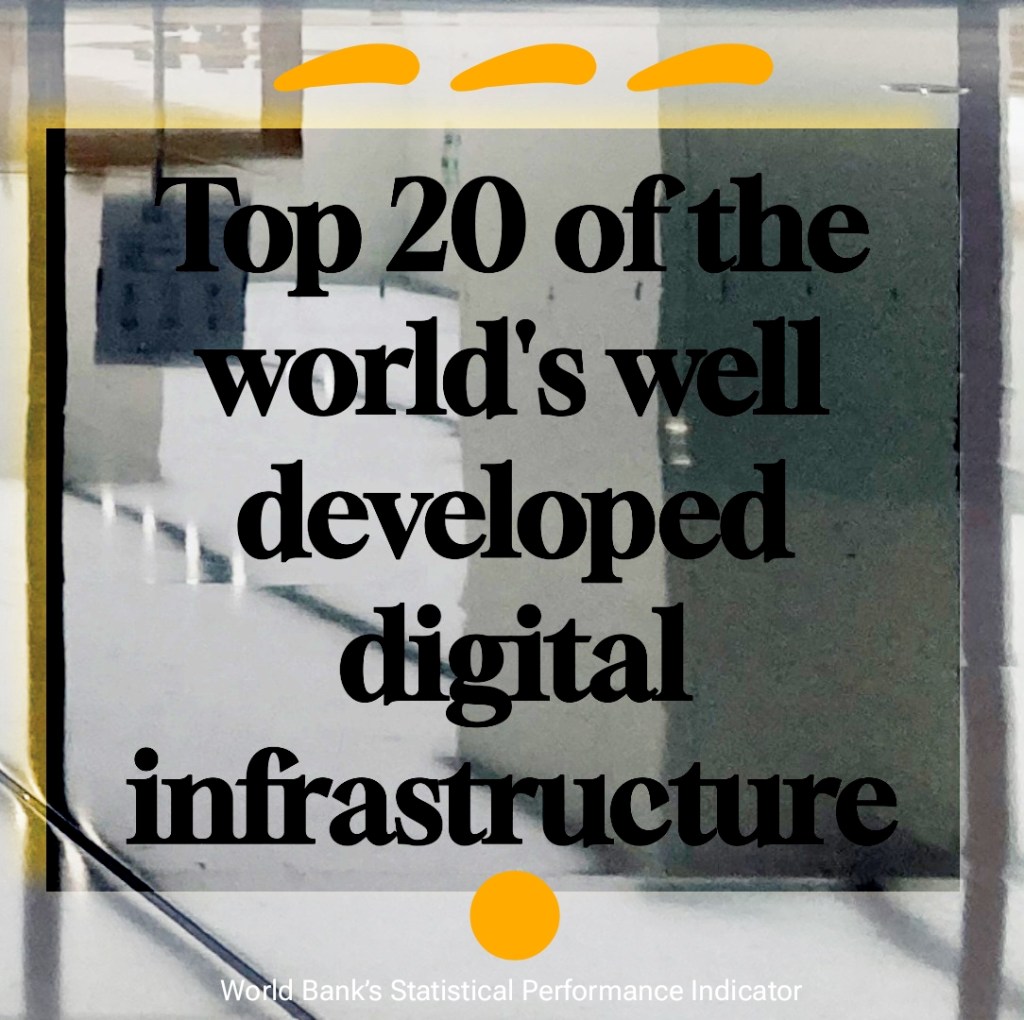
According to UNESCO’s Global AI Ethics and Governance Observatory report, the market is projected to reach a value of R43.9 billion ($2.35 billion). This figure underscores the growing investment and interest in AI technologies within the country. Several enabling factors contribute to this upward trajectory. A significant portion of the population, 75.7% as of 2023, now has access to the internet, with urban areas at 84% and rural areas at 62%, providing a broad base for digital service consumption and AI-driven applications. Furthermore, South Africa’s digital infrastructure is relatively well-developed, ranking among the top 20% of countries globally according to the World Bank’s Statistical Performance Indicator. This robust infrastructure provides a solid foundation for the deployment and operation of AI systems. Complementing these factors, a 2025 Tech Trends Report highlights the ongoing technological advancements, including in AI, that are influencing a wide array of sectors within South Africa, further propelling AI adoption.
Adoption Drivers
The initial phase of AI adoption in South Africa appears to have been largely driven by individual business initiatives and the overarching momentum of digital transformation. Without a specific national AI strategy until late 2024, companies likely pursued AI applications based on their unique needs and perceived benefits. The substantial projected market size of R43.9 billion suggests a strong underlying belief in AI’s potential to deliver value within the South African context. While the country boasts a relatively strong digital infrastructure and increasing internet penetration, foundational limitations exist that could potentially impede the development and deployment of more sophisticated AI solutions. The lack of high-performance computing resources and robust data-sharing frameworks presents a challenge for advanced AI applications that require significant computational power and access to large, diverse datasets.
The National AI Policy Framework, introduced in October 2024, signifies a strategic evolution in South Africa’s approach to artificial intelligence. This framework is intended to serve as the bedrock for future AI regulations and potentially an AI Act, demonstrating a commitment to guiding the responsible development and deployment of these technologies. The overarching goals of the policy are to harness AI’s power to drive economic transformation, foster social equity across the nation, and enhance South Africa’s competitiveness in the global AI landscape. The framework is built upon twelve key pillars, encompassing various critical aspects of AI development and governance.
These pillars include fostering talent and capacity development through education and specialized training programs, investing in digital infrastructure to create a conducive environment for AI innovation, and promoting research, development, and innovation through dedicated centers and financial support for startups. Ethical considerations are paramount, with the policy aiming to develop ethical AI guidelines aligned with existing laws and regulations, safeguard personal information by strengthening data protection, and ensure the safety and security of AI systems through robust cybersecurity measures. Transparency and explainability of AI systems are emphasized to build public trust, alongside fairness and the mitigation of bias by ensuring AI systems are trained on diverse datasets. The policy also advocates for a human-centered approach, ensuring human oversight in critical AI decisions, promoting professional responsibility through codes of conduct and ethical training, and aligning AI development with societal values to prioritize human well-being, equality, and environmental sustainability.
Complementing this policy framework, the government has initiated specific programs to promote AI adoption. The National AI Skilling Initiative, for example, focuses on providing targeted AI skills training for public servants, aiming to enhance the government’s capacity to leverage AI in its operations. Furthermore, the government is actively investing in digital public infrastructure and developing a national digital identity system. These foundational elements are crucial for enabling the widespread adoption of AI in public services, making them more accessible and efficient for citizens. Recognizing AI’s potential in combating illicit activities, the government, particularly through the South African Revenue Service (SARS), is focusing on utilizing AI to detect and prevent fraud and corruption, aiming to improve governance and resource management.
In Ending
The development of the National AI Policy Framework signifies a transition towards a more strategic and structured approach to AI development in South Africa, moving beyond the initial phase where adoption was primarily driven by individual business initiatives. The policy’s strong emphasis on ethical considerations and the promotion of social equity underscores a commitment to deploying AI in a responsible and inclusive manner. Moreover, government-led initiatives focused on upskilling public sector employees and investing in essential digital infrastructure directly address some of the fundamental challenges previously identified, potentially accelerating the integration of AI within governmental functions.
South Africa’s presidency of the G20 in 2025 has further highlighted the importance of AI on the national agenda, with the establishment of a G20 Task Force on Artificial Intelligence. This demonstrates a high-level commitment to advancing AI both domestically and internationally. The National AI Policy itself envisions potential government funding and incentives to support AI startups and encourage broader adoption among SMEs.
A key focus area for the government is the development of digital and future skills. Various programs aim to equip South Africans with the necessary skills in areas such as AI, data science, and cybersecurity, recognizing that a skilled workforce is crucial for a thriving AI ecosystem. Significant investments are also being made in expanding digital infrastructure, with major technology companies like Microsoft committing substantial resources to enhance cloud and AI infrastructure in South Africa. These infrastructure improvements will benefit businesses of all sizes, including SMEs, by providing access to the necessary computational resources and platforms. Furthermore, there is a recognition of the potential for public-private partnerships to play a vital role in making AI tools and resources more accessible to small businesses, fostering a collaborative approach to AI adoption.