Contents
- Contributions of Migrant Entrepreneurs
- Geographic Distribution of Resources and Its Impact on Inclusivity
- Strategies for Integrating Underrepresented Communities
In South Africa’s dynamic business ecosystem, diversity and inclusion are increasingly recognized as pivotal for driving innovation, fostering creativity, and sustaining economic growth for all. A growing body of research underscores that organizations with diverse teams encompassing varied backgrounds, experiences, and perspectives tend to achieve enhanced problem-solving capabilities and make more informed decisions (Kayser, 2023; Ogujiuba et al., 2023). This sentiment is reflected in corporate policies that actively promote equal opportunities for historically marginalized groups, including women, people with disabilities, and individuals from various racial and ethnic communities (Myeko & Iwu, 2019). As businesses embrace these values, diversity and inclusion are no longer viewed solely as ethical imperatives but as strategic assets that contribute to competitive advantage and long-term sustainability.


Contributions of Migrant Entrepreneurs
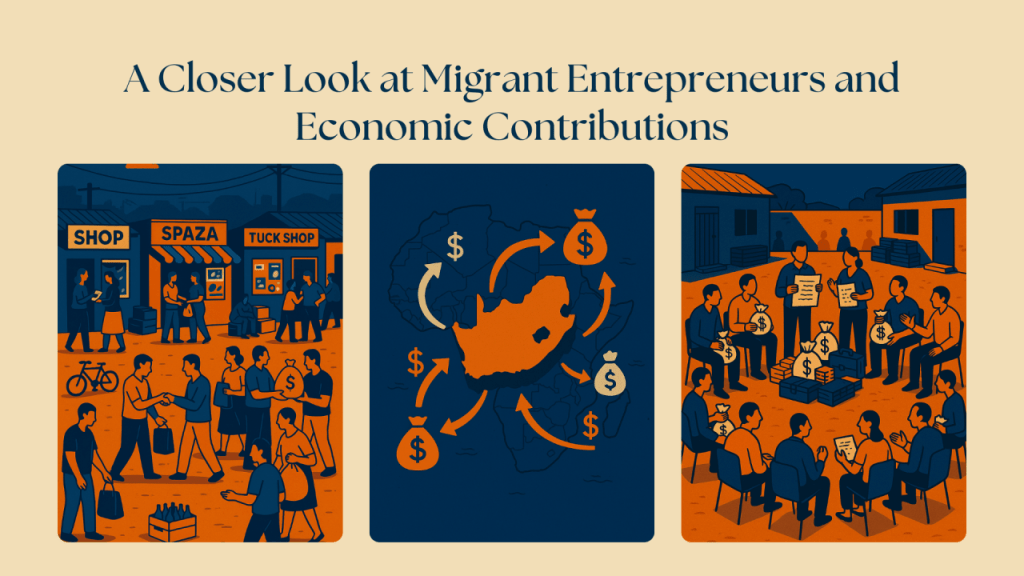
Migrant entrepreneurs have emerged as vital catalysts in South Africa’s business landscape, infusing the market with innovative ideas and entrepreneurial resilience. These entrepreneurs bring a wealth of international experience and fresh perspectives that help diversify the local economy and stimulate job creation (Kumar, 2019). Studies indicate that migrant-owned businesses play a significant role in revitalizing underserved areas, particularly townships, by driving economic activity and supporting community development (Rampyapedi, 2024). However, despite their positive contributions, migrant entrepreneurs often encounter substantial obstacles, such as restricted access to formal financing, regulatory hurdles, and social discrimination, which can impede their full potential (Rampyapedi, 2024; Lebambo, 2021). Addressing these challenges through targeted policy interventions and support programs is essential for harnessing the full benefits of this entrepreneurial segment.
Foreign-Owned Businesses
Many informal businesses, particularly in sectors like retail and hair salons, are owned by foreign nationals, sparking debates among citizens on market competition and economic participation. In 2018, a study by the Department of Economic, Small Business Development, Tourism and Environmental Affairs (DESTEA) found that 60% of the hair salons in the Free State are owned by non-South Africans. Furthermore, a majority of these small businesses were not registered, meaning they do not contribute to the GVA of Mangaung, a metropolitan municipality which governs Bloemfontein and surrounding towns in the Free State province.
An ethnographic study that was conducted by Liedeman, Charman, Piper and Petersen (2013), found that foreign-owned shops are usually micro- or small-scale survivalist entrepreneurs with social networks.
A case study conducted in a particular area with Somalian shopkeepers found that they operate within a network that provide the following:
- Recruit cheap labour from Somalia;
- Enforcement of contractual agreements through the network with clan elders who are managing business deals;
- Access to strategic investment in geographical areas to establish Somali strongholds;
- Group purchasing / Bulk purchasing deals to ensure discounts and operational economies of scale; and
- Facilitate micro-finance by organising investments and business partnerships
The Somalia business model is stronger in comparison to South African shopkeepers who usually operate on poor social network with limited members who are relatives that only provide labour.
Geographic Distribution of Resources and Its Impact on Inclusivity
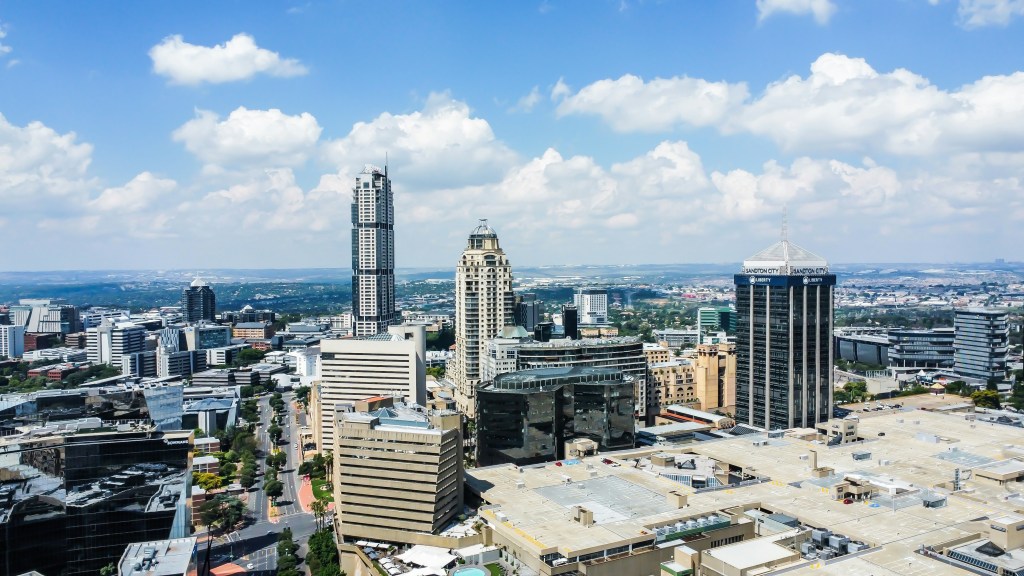
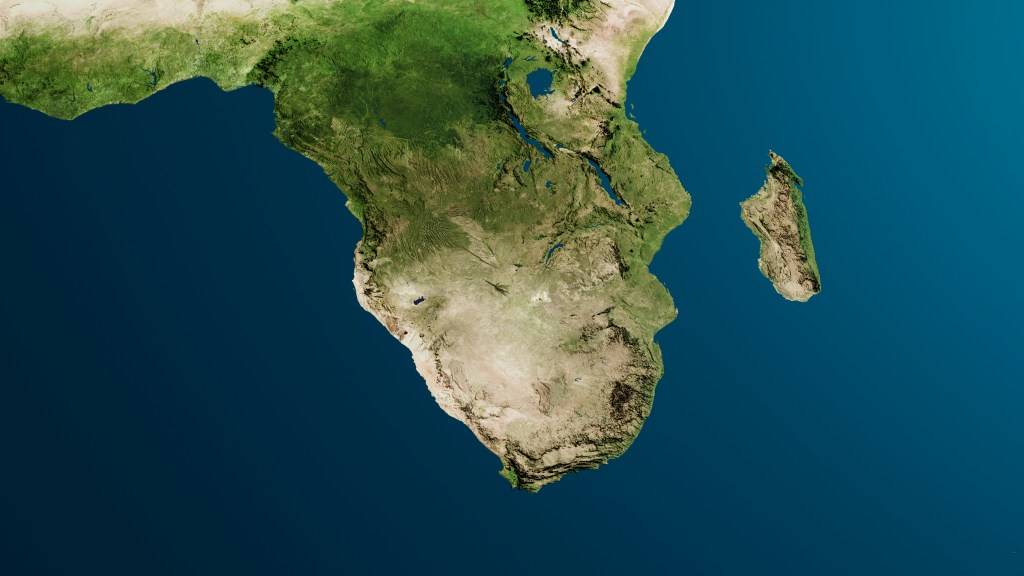
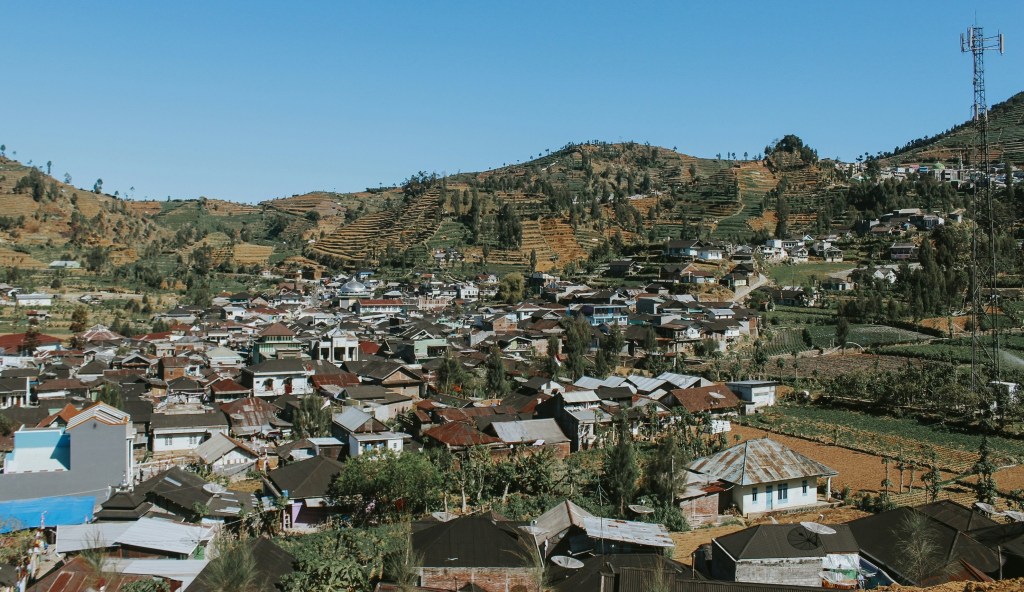
A critical challenge in South Africa’s business ecosystem is the uneven distribution of resources across different geographic regions. Major urban centers like Johannesburg and Cape Town benefit from superior infrastructure, access to capital, and concentrated support services, while rural and township areas lag behind (Lamb et al., 2019; Sixaba & Rogerson, 2023). This disparity not only limits market access and the availability of skilled labor in less developed regions but also exacerbates existing socio-economic inequalities (Nyoni & Moos, 2022; Ntlhe, 2023).
Some of the industries that exist in the township economy are:
- Table-top vendors (commonly known as hawkers)
- Backroom rental
- Takeaways (Shisa nyama, kotas, amagwinya)
- Taxis
- Retail (Usually Somalia, Bangladesh, Ethiopia & Pakistan owned)
- Finance (Stokvel, Mashonisa)
The resulting imbalance creates significant barriers for small and medium-sized enterprises (SMEs) in these areas, curtailing their growth potential and reinforcing regional economic disparities (Mokoena & Liambo, 2023; Nambiar et al., 2019). Bridging this gap is imperative for fostering a truly inclusive business ecosystem where opportunities are equitably distributed.
Strategies for Integrating Underrepresented Communities

In response to these challenges, a range of strategies has been advanced to integrate underrepresented communities, particularly those within the township economy, into the broader business landscape. One effective approach involves fostering partnerships between established corporations and local entrepreneurs, facilitating the transfer of knowledge, access to markets, and financial support (Mafuwane & Muchie, 2022; Bvuma & Marnewick, 2020). Government initiatives also play a crucial role; targeted programs that offer grants, mentorship, and training are instrumental in empowering township entrepreneurs and enhancing their competitiveness (Ojugbele et al., 2022; Caritus & Umejesi, 2019). Additionally, the promotion of digital platforms and technology adoption has the potential to connect township businesses with larger markets, enabling these enterprises to overcome traditional barriers and expand their reach (Munongi, 2023; Roberts-Lombard et al., 2019). Equally important is a cultural shift in societal attitudes toward entrepreneurship in historically marginalized areas. Celebrating local success stories and creating policies that address unique challenges—such as limited access to finance and inadequate infrastructure—can foster a more inclusive and supportive environment for underrepresented communities (Lima-Chantre & Seeley, 2021; Mkansi, 2020; Seseni, 2023; Donaldson, 2023).
The evolving beliefs surrounding diversity and inclusion in South Africa’s business ecosystem underscore their essential role in driving innovation and economic resilience. Migrant entrepreneurs contribute significantly to this dynamic landscape despite facing considerable challenges, while the uneven geographic distribution of resources remains a key barrier to inclusivity. However, targeted strategies—ranging from corporate-local partnerships and government-supported initiatives to technology adoption and cultural reorientation—offer promising avenues for integrating underrepresented communities into the mainstream economy. As the business environment continues to evolve, fostering a culture of inclusivity will be critical for ensuring equitable growth and sustainability across South Africa, a mission BLEC holds dearly.